
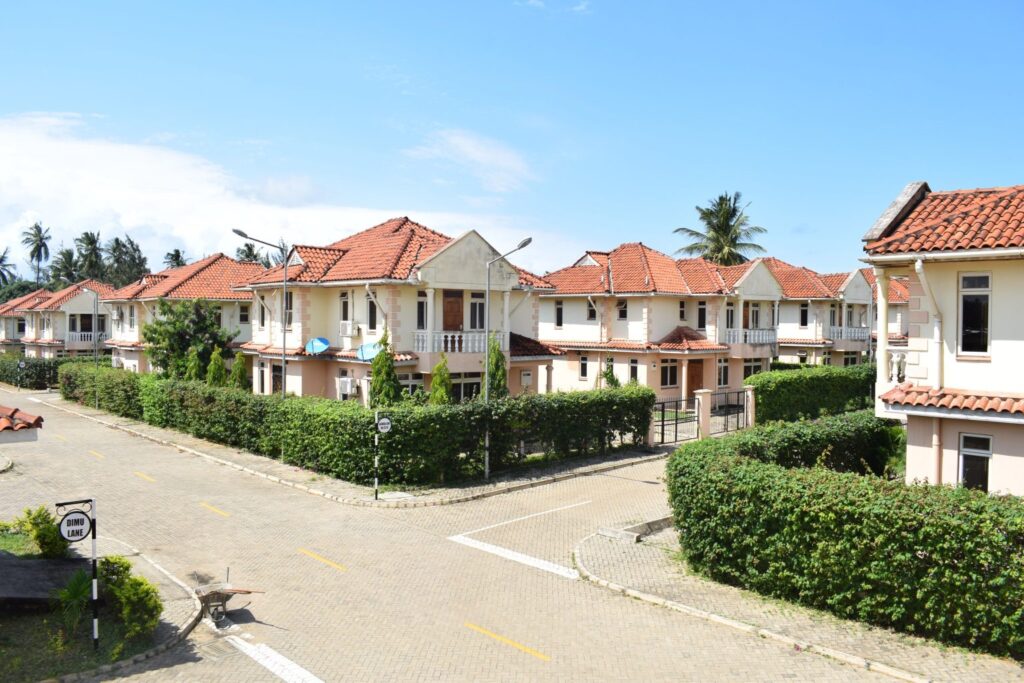
Kilifi has rapidly positioned itself as one of Kenya’s most attractive coastal property markets. From beachfront villas in Watamu to family homes in Kilifi town and investment properties in Mtwapa, the region offers lifestyle appeal and long-term capital growth.
But buying a house is not just an emotional decision, it is a legal and financial transaction that requires precision.
This guide provides a complete walkthrough of the home buying process in Kilifi, from property search to official ownership transfer.
1. Define Your Budget and Financing Strategy
Before you fall in love with a home, align your finances.
Beyond the purchase price, factor in:
- Stamp duty (4% for urban properties such as Kilifi town; 2% for rural areas)
- Legal fees (typically 1–2% of the property value)
- Valuation fees
- Land search and registration costs
- Moving and renovation costs
If you are financing:
- Commercial banks in Kenya currently offer mortgage rates averaging 12%–16%
- SACCOs may provide more flexible repayment terms
- Developers sometimes offer staged installment plans for new builds
For buyers seeking verified homes within their budget, explore current listings
Strategic budgeting prevents delays during negotiations and protects you from overstretching financially.
2. Identify and Inspect Your Property
Online listings are efficient for shortlisting, but they are not a substitute for a physical site visit.
When viewing a house in Kilifi:
- Inspect roofing, plumbing, and finishes (coastal humidity and salt air affect materials)
- Check structural integrity
- Assess drainage and flood risk
- Confirm access roads and proximity to hospitals, schools, and shopping centres
- Evaluate neighborhood security
Engaging a reputable local real estate professional significantly reduces risk. Local expertise provides insight into pricing benchmarks, infrastructure plans, and area-specific considerations.
At Lacovia Homes, all listings are pre-screened for legitimacy and documentation integrity minimizing avoidable risks for buyers.
3. Engage a Qualified Property Lawyer
In Kenya, hiring a conveyancing advocate is not optional, it is essential.
Your lawyer will:
- Draft and review the Sale Agreement
- Conduct legal due diligence
- Safeguard funds in a client trust account
- Oversee transfer registration
Professional legal oversight is your primary protection against fraud.
4. The Critical Due Diligence Phase (30–60 Days)
This is the most important stage of the entire transaction.
Your advocate must conduct:
✔ Official Land Search
This confirms ownership and checks for encumbrances such as loans, cautions, or court orders through the Ministry of Lands or the Ardhisasa platform.
✔ Boundary Verification
A licensed surveyor confirms that the physical boundaries align with official registry maps and that beacons are intact.
✔ County Clearance
The seller must provide:
- Land Rates Clearance from Kilifi County Government
- Land Rent Clearance (if leasehold property)
Skipping due diligence is where most property losses occur. Discipline here protects your capital.
5. Negotiation and Sale Agreement
Once due diligence is satisfactory:
- Submit a formal offer
- Receive a Letter of Offer
- Sign the Sale Agreement
- Pay a 10% deposit (typically held in escrow or the advocate’s client account)
Key clauses in the Sale Agreement should specify:
- Completion timeline (often 90 days)
- Default remedies
- Vacant possession terms
- Responsibility for rates and utilities
Never pay deposits directly to personal accounts.
6. Valuation and Stamp Duty Payment
The government valuer assesses the property to determine tax liability.
Stamp duty is calculated based on the higher of the purchase price or government valuation.
- Urban properties: 4%
- Rural properties: 2%
Payment is processed via the Kenya Revenue Authority iTax system.
Failure to pay stamp duty invalidates the transfer process.
7. Final Registration and Ownership Transfer
Your lawyer submits the following to the Land Registry:
- Original Title Deed
- Executed Transfer Forms
- Stamp Duty Payment Receipt
- Rates and Rent Clearance Certificates
- Copies of IDs and KRA PIN certificates
Registration may take up to 90 days.
Upon completion, a new title deed is issued in your name, legally confirming ownership.
At that point, the property is officially yours.
Common Mistakes to Avoid When Buying a House in Kilifi
- Skipping independent land search
- Paying cash deposits without documentation
- Ignoring boundary verification
- Using a lawyer recommended solely by the seller
- Rushing due to “limited-time” pressure
Professional transactions are methodical, not rushed.
Why Buy Through a Verified Real Estate Company?
Working with a credible real estate firm ensures:
- Verified property documentation
- Transparent pricing
- Coordinated legal processes
- Reduced exposure to fraud
- Structured transaction management
At Lacovia Homes, we provide end-to-end support from property identification to successful title transfer.
Explore verified homes
Need expert guidance? WhatsApp Us
Final Thoughts
Buying a house in Kilifi is both a lifestyle upgrade and a long-term investment decision.
When approached strategically, with structured due diligence, professional legal oversight, and disciplined financial planning, it becomes a secure and rewarding process.
Define your budget.
Verify documentation.
Engage professionals.
Complete the transfer properly.
That is how you move from property search to legal ownership confidently and securely.
If you are ready to begin your homeownership journey in Kilifi, our team is prepared to guide you every step of the way.